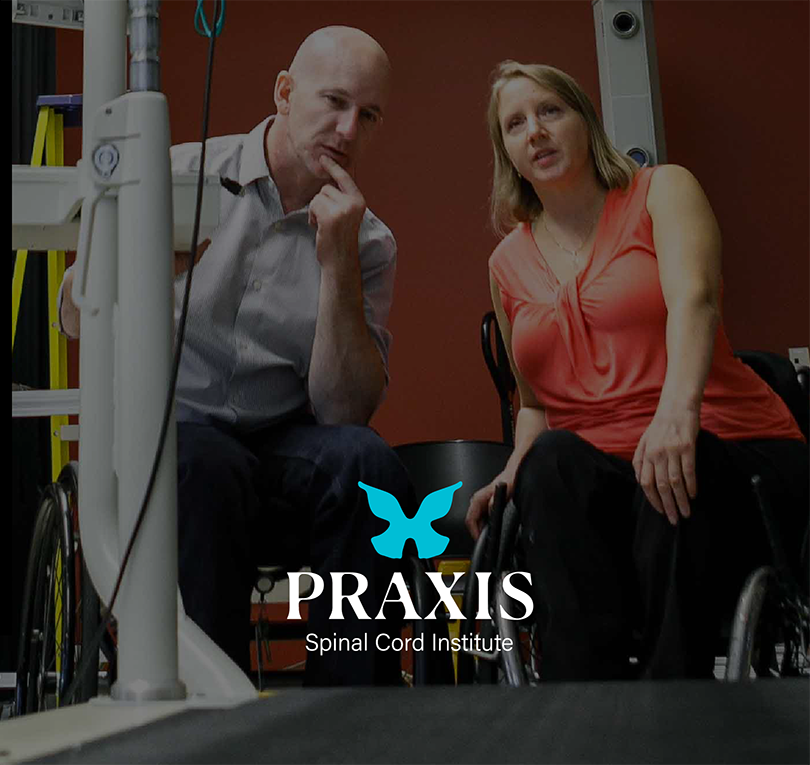
Addressing Unique Challenges During Menopause for Women with SCI

For women living with spinal cord injury, perimenopause and menopause can be especially complex to diagnose and manage. As estrogen declines, symptoms affecting the bladder, bowel, sexual function, bone health, metabolic control and brain cognition can worsen existing SCI related risks and blur the line between menopause and injury-related complications. For example, a hot flush may resemble autonomic dysreflexia, and increased urinary tract infections and motor spasms could be classified as neurological worsening. Women with SCI already face elevated risks of osteoporosis, fracture risk and cardiometabolic disease, and menopause can compound these vulnerabilities in ways that standard clinical guidance does not fully address.
Many health care providers lack training in menopause care, let alone SCI. Even specialized services like BC Women’s Hospital’s Complex Menopause Clinic have limited accessibility and SCI-specific expertise. As a result, symptoms may be misinterpreted, care delayed, and women left navigating this life stage without clear, evidence-based guidance.
Praxis-Funded Study: Setting Priorities for Menopause Care for Women with SCI
To address this, Praxis through an open funding competition focused on translational research and best practice implementation funded the Perimenopause/ Menopause in Persons with Spinal Cord Injury: Co-creating priorities for clinical practice, research and knowledge translation study. The project brings together clinicians and women living with SCI to identify the most pressing areas of research for menopause care.
Designed as a foundational priority-setting initiative, the study involves literature review, an online survey, and a consensus building workshop with women with SCI and clinicians across disciplines and specialties. Its goal is to identify and rank care needs for future research, clinical practice, knowledge translation, and potential trials, highlighting where evidence is strong, where gaps remain, and what uncertainties matter most to women with SCI and their care providers.
Leadership, Partners, and Impact
The project is led by Kate McBride, Clinical Nurse Specialist with the Sexual Health Rehabilitation Program at GF Strong Rehabilitation Centre, Vancouver Coastal Health, and Adjunct Professor at UBC; Dr. Stacy Elliott, Sexual Medicine Physician and Clinical Professor at UBC; and Teri Thorson, Manager of Peer Coaching and Outreach at Spinal Cord Injury BC, who brings essential lived-experience leadership to the project.
Together with partners like SCI Research Evidence (SCIRE), Women’s Health Research Institute, and BC Women’s Hospital, the project team made great progress and presented preliminary findings at the International Spinal Cord Society Annual Scientific Meeting last year.
Menopause and spinal cord injury intersect in intricate ways, highlighting the need for tailored care and research. By clarifying priorities and strengthening the evidence base, this study is helping ensure women with SCI receive informed, responsive, and person-centered menopause care.
Interested in joining the Menopause & SCI Collaborative? Reach out to shrs@vch.ca to learn more and get involved.
Praxis exists to lead global collaboration in spinal cord injury research, innovation and care. We translate knowledge to bridge health evidence with real-world delivery. The word praxis means the practical application of a theory – moving knowledge into action. We measure our success through impact, how Praxis makes a difference to the SCI community.
Menopause & Spinal Cord Injury
Co-creating priorities for clinical practice, research and knowledge translation
Praxis Impact Stories
Success means impact; Praxis impacts the lives of people living with spinal cord injury and the SCI community. Read to learn more about Praxis and our work supporting innovation, best practices and accelerating theory into practice.