Beyond Customer Discovery: How Lived Experience Reshaped Astek’s Product Strategy 

For Astek Diagnostics founder and CEO Mustafa Al-Adhami, the decision to build better diagnostic technology began with a personal experience. When his grandfather developed a urinary tract infection (UTI), delays in diagnosis and identifying the right antibiotic left him in pain for days.  As a mechanical engineer, Mustafa decided to point his technical expertise toward reimagining how UTI is diagnosed and treated. That experience ultimately led to the founding of Astek Diagnostics and its work to transform how UTIs are diagnosed and treated.

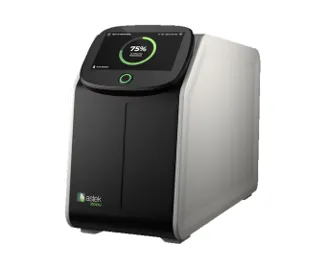
Astek is developing Jiddu, a clinical diagnostics platform designed to confirm UTIs and indicate antibiotic sensitivity in one hour. The aim is to help clinicians make informed treatment decision sooner, while reducing complications, unnecessary antibiotic use, and cost along the way.

The company came into the Praxis SCI Accelerator already comfortable with customer discovery. Mustafa had seven years of customer interviews behind him, and the team was already talking with physicians, regulators, patients, and other stakeholders.

What Praxis added was sustained, direct conversation with people with lived experience (PLEX) of spinal cord injury, providing insights into urinary symptoms, testing, and how related technology fit into their everyday life. These conversations challenged assumptions the team had not recognized and ultimately informed both the evolution of the product and the commercialization strategy.

Accessibility Cannot be Added After the Interaction is Designed

One comment from a conversation with a PLEX member stayed with Mustafa: “Typing is a luxury. If you’re typing on your phone, it’s such a luxury that you have. Not everyone has it.”

At the time, Astek was building a companion app to help users torecordi and monitor symptoms. The initial concept relied on typing symptoms into a phone. For many people living with SCI, typing is difficult, slow, or not a feasible option.

The remark exposed an assumption about what users would physically be able to do. The team rebuilt the app around simpler interactions and several different ways to record a symptom. Mustafa describes the result as “totally reimagined,” with people living with SCI at the centre of the design—not as users to accommodate later, but as the first users the technology was designed for.

The Opportunity May Begin Before the Clinical Encounter

A second insight changed how Astek thinks about when its technology can have the greatest impact. During a focus group, a physician put it bluntly: “If the patient is here to see us, it’s probably a little too late.”

That comment pulled the team’s attention upstream, to what happens before someone reaches a clinic: recognizing symptoms, finding a test that helps, deciding whether this is the week to make the appointment. The team also heard about standing antibiotic prescriptions people rely on when a timely diagnosis is hard to get.

These insights led Astek to explore how its app could capture symptoms earlier and give patients meaningful information to bring into conversations with their clinicians. The team also developed a model designed to estimate the likelihood of recurrence within 30 days and filed a related patent application.

Together, these changes reflect a broader shift in how Astek approaches UTI care: not simply improving what happens at the point of diagnosis but exploring opportunities to support better-informed decisions earlier in the care journey.

Aligning Evidence with the Regulatory Pathway

That shift has helped shape the next phase of development, including plans for a 150-participant patient outcome study that will incorporate symptom tracking and participant feedback. Taken together, the three decisions were closely connected with product design, evidence generation, and regulatory planning kept pulling on each other.

The program also gave Astek room to examine how Jiddu moves toward clinical use. Mustafa points to conversations with a regulatory mentor as the most influential part.

Astek had initially been considering a model that would rely on a complex clinical laboratory pathway. As the team explored what that approach would require in practice, it began to see a more direct regulatory pathway through the U.S. Food and Drug Administration (FDA). That shift has helped shape the next phase of development, including plans for a 150-participant patient outcome study that will incorporate symptom tracking and participant feedback. Taken together, the three decisions were closely connected with product design, evidence generation, and regulatory planning kept pulling on each other.

Building Commercial Momentum

“If you want to get closer to the physicians and the patients, I think Praxis would be the best place for you to at least start.”

Since completeling SCI Accelerator, Astek has built momentum. Mustafa shared that George Washington University has become a paying research customer for Astek’s cartridges and plans to publish findings from that work. The company has also opened a $15 million Series A financing round to support Jiddu’s path toward market entry.

Mustafa entered the program expecting investor exposure. What he got instead, and what he now says was worth more, was time with people living with SCI, clinicians, and other experts who helped the team identify the assumptions it could not see on its own.


About  Astek Diagnostics

Astek Diagnostics is a Baltimore-based precision diagnostics company developing Jiddu, a platform designed to confirm urinary tract infections and indicate antibiotic sensitivity in one hour. The company’s broader vision is to adapt the platform for additional sample types and bacterial infections. 

Praxis SCI Accelerator

A six-month program geared towards healthcare companies with a product ready to launch into market that will transform the lives of people living with SCI. In addition to providing targeted persons with lived experience(PLEX) and research mentoring, the program offers regulatory, reimbursement and business mentorship support from leaders in the healthcare industry.