From Urban Centres to Regional Communities: Connecting Clinicians and Communities to SCI Care
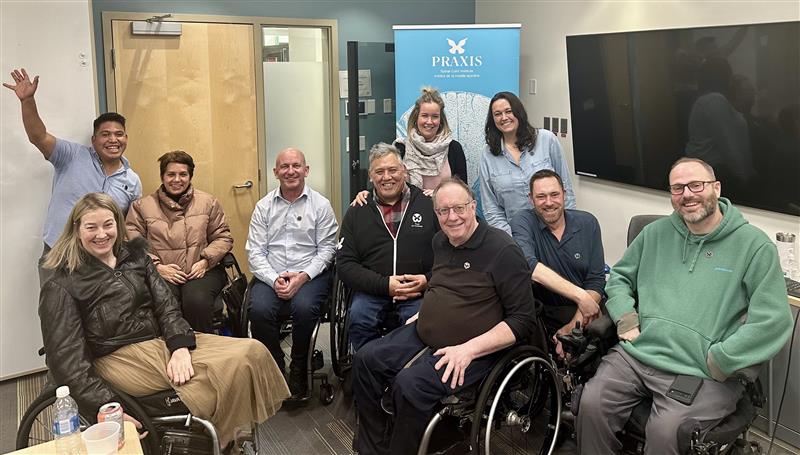
Spinal cord injuries can happen anywhere, but access to the necessary care often depends on geography. Specialized SCI care remains concentrated in urban centres, which creates gaps for people living in regional communities. Add to this, growing pressures on the health care system disproportionately affect clinicians in regional and rural areas as they are often faced with the challenge of providing complex care without specialized training.
Praxis’ SCI clinical workshops and webinars expand access to high-quality SCI education across regions outside of major urban centres in BC, helping clinicians strengthen care no matter where they practice. The in-person SCI clinical workshops bring practical, evidence-informed training and lived experience directly to clinical care teams in their communities. The workshops have been delivered in partnership with GF Strong, SCI BC, Accessible Okanagan, and several health authorities, including Interior Health, Northern Health, and Island Health. Complementing this reach, the monthly online webinar series, open to all clinicians and health authorities, is creating a province-wide learning network which regularly attracts 150–200 registrants. Together, these education platforms help reduce disparities in SCI care and ensure more patients benefit from current best practices.
“By equipping clinicians with the knowledge and confidence they need where they are located, rather than requiring patients to travel long distances, our program supports more consistent, informed care across the province,” says Praxis Regional Clinical Liaison & Occupational Therapist, Shannon Rockall.
Letting Clinicians and Communities Shape the Agenda
Priorities for both the workshops and webinars are shaped directly by PLEX through surveys, polls, and ongoing conversations, ensuring the content reflects real-world experience and the realities of care needs. PLEX also play an essential role during sessions by sharing their personal insights, with family members contributing additional perspectives on the social and relational dimensions of SCI care. Recent topics have included pressure injuries, bowel and bladder management, sexual health, aging, physical activity, and psychological adjustment – areas identified by the SCI community as critical to improving everyday health and quality of life.
What makes these webinars so meaningful is that everyone contributes: clinicians, people with lived experience, and family members alike. Each voice helps shape the content, so the training reflects real-world priorities,” says Praxis Regional Community Liaison, James Hektner, noting that feedback sometimes reveals conflicting priorities between people living with SCI and clinicians. “In our polling, bowel and bladder education was a high priority for the SCI community but lower on the list for clinicians, so our sessions also play a role in aligning focus areas.”
Impact on Regional SCI Care
Feedback to date has been overwhelmingly positive. People with lived experience report that sharing their experiences is beneficial and contributes directly to improving care, while clinicians consistently note that hearing lived experience perspectives deepens their understanding and strengthens their ability to deliver person-centered care. Importantly, the SCI workshops play a critical role in supporting hospitals to align and work toward achieving the SCI Standard, developed by Health Standards Organization in partnership with Praxis, which represents a nationally recognized benchmark and is widely regarded as the gold standard for high‑quality spinal cord injury care.
“It is so important so we can learn how to best support our clients in the future and learn from PLEX perspectives. I will not forget some of the personal stories. They are so impactful.” – Workshop Attendee