Praxis Spotlight: Amira Tawashy on Building Lived Experience into Clinical Education
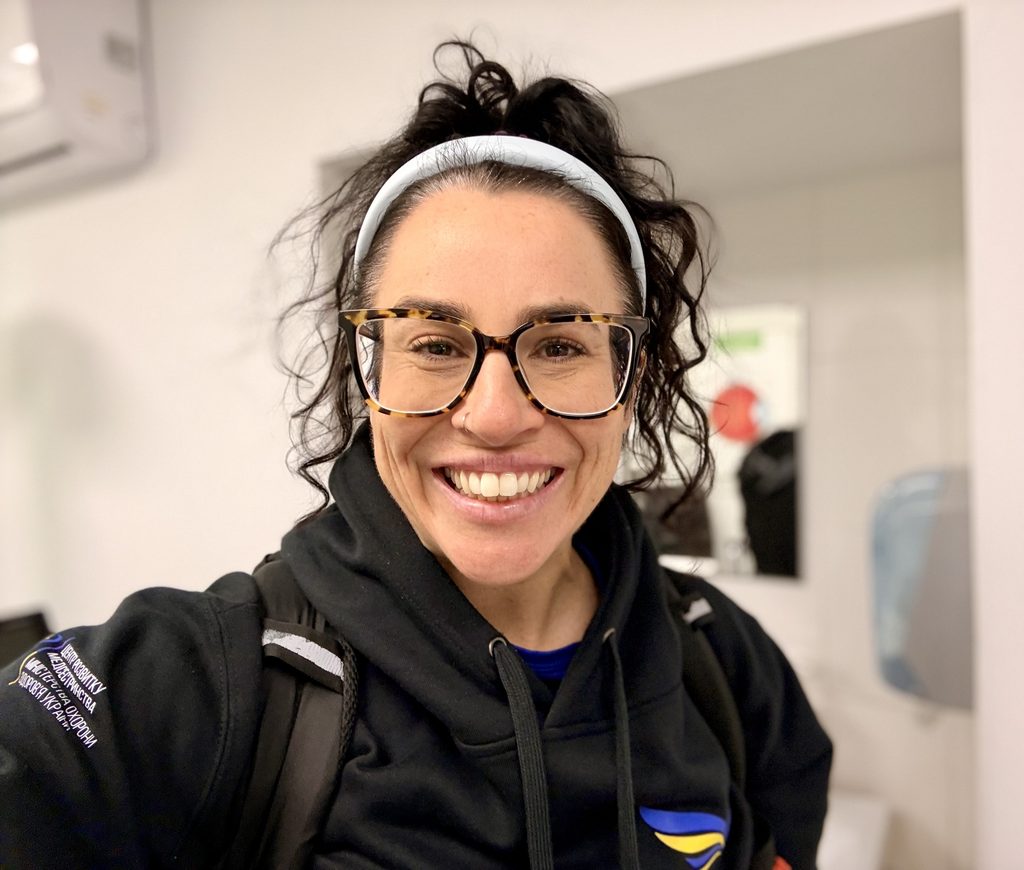
Praxis is pleased to spotlight Amira Tawashy, OT, an instructor at Dalhousie University with a clinical background in spinal cord injury (SCI), traumatic brain injury, and neurosurgery. She also brings international experience through humanitarian and rehabilitation work, including experience working with the World Health Organization. At Dalhousie, Amira teaches occupational therapy (OT) and physiotherapy programs, including neurotherapeutics, neuroscience, and wheelchair seating and skills.
We asked Amira to share her perspective on the Praxis SCI Clinical Education workshop at Dalhousie University, the role of lived experience in student learning, and how collaboration with Praxis could shape future clinical education.
Can you briefly describe the SCI Clinical Education Workshop and your role? What was important about the collaboration with Praxis?
I had known about Praxis for a long time through my work in SCI and through people I had worked with earlier in my career. When conversations started about bringing a workshop to Halifax, I became the point person for the occupational therapy school.
As part of the collaboration, I worked with the physiotherapy school to secure the space, promote the workshop and identify local people with lived experience (PLEX) to participate in the panel. As a result, we had a strong turnout, with occupational therapy and physiotherapy students as well as some clinicians from the Nova Scotia Rehabilitation Centre.
What was especially important about the collaboration with Praxis was the opportunity to bring lived experience more directly into clinical education. It introduced a different way of learning, where students were not only learning about SCI from an academic or clinical perspective, but also directly from individuals with firsthand experience of SCI.
In Nova Scotia, we do not yet have the same established PLEX and peer support networks that exist in places like British Columbia. Praxis helped create an opportunity to begin building those connections and explore how lived experience can become a stronger part of education and care.
What were the most important learning outcomes you observed from the session?
One of the biggest learning outcomes was helping students understand that SCI involves much more than what they can immediately see. Students heard about what a day in someone’s life can look like, including bowel and bladder routines, personal care, the time it can take to get ready in the morning and the financial implications of needing support.
That broader understanding was important because it moved learning beyond the clinical presentation of SCI. The workshop gave students a more complete picture of the person and the realities of day-to-day life.
From an education perspective, this is where I see the greatest value in this approach. It complements the clinical knowledge students already have with lived experience and helps them understand how that knowledge translates into real-world situations, bridging the gap between theory and practice.
How did hearing from panelists with lived experience change student understanding?
It reinforced the idea that people with SCI are partners in their healthcare. We talk about collaboration in the classroom, but it is different when students hear directly from people with lived experience that they do not expect clinicians to know everything.
Every spinal cord injury is different. The person brings their lived experience and an understanding of what works best for them, while the clinician brings their knowledge and skills. The goal is to listen, stay open and work together to find solutions.
That is an important shift in how we think about care. Instead of clinical knowledge being applied in one direction, the workshop showed students what collaborative problem-solving can look like in practice. Hearing that directly from PLEX reinforced the importance of partnership in care and made the concepts more meaningful and tangible.
How do you see the workshop informing or influencing your curriculum or teaching going forward?
I would like to see this kind of workshop continue and potentially become part of second-year learning at Dalhousie. The combination of occupational therapy and physiotherapy students worked particularly well. It created a multidisciplinary conversation while keeping the group small enough that it still felt like a discussion rather than a large presentation.
The next step is thinking about how this type of learning can be implemented in a sustainable way. That includes finding the right place for it within the curriculum, coordinating across the OT and physiotherapy programs, and continuing to grow the local PLEX capacity and community to ensure a broader and more sustainable pool of participants.
There is a real opportunity to build lived experience into clinical education more intentionally. Once students already have a foundation in SCI, a workshop like this can help them connect that clinical knowledge with the realities of care, collaboration and life after injury.